
Kansans: Vote No
11/07/26 09:19
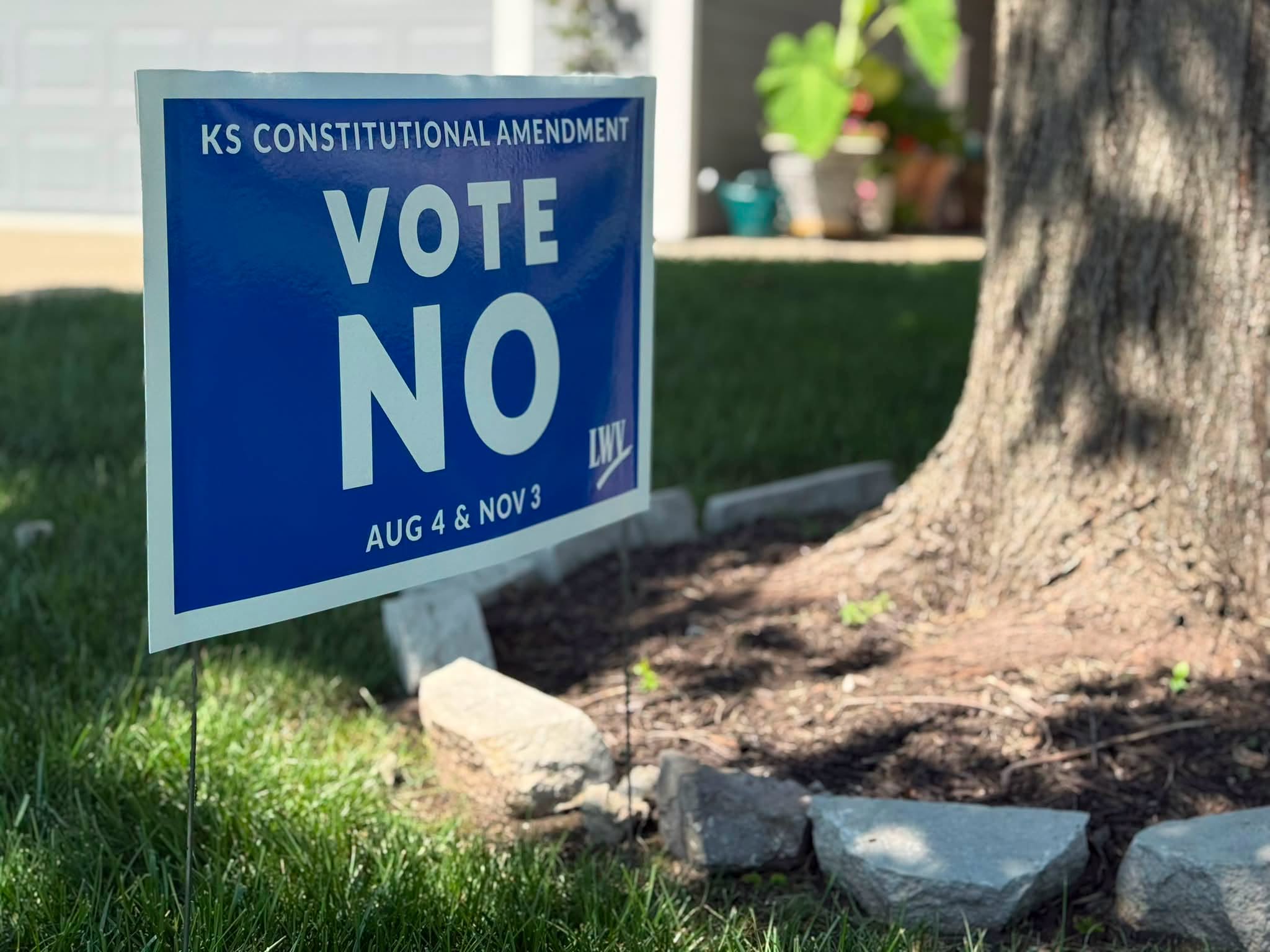 July 11, 2026 (Vol. 20 No. 25) - It is a sad fact of life that politicians often - some might say always - don't mean what they say. They use coded language that suggests they feel one way when, in fact, quite the opposite is true. For Kansans voting August 4 on the state constitutional amendment to directly elect state Supreme Court justices, this is one such case.
The people behind this amendment say that by abandoning the current merit-based selection of justices in favor a popular vote, they will be removing the influence of of the Kansas Bar Association, which they note represents only three tenths of one percent of the state's electorate. They say letting the people directly elect Supreme Court justices is more democratic. They also note that Kansas is the only state to select Supreme Court justices this way. As reasonable as that sounds, it is not true.
First, the current merit-based system of selecting justices was put in place in 1958 as a result of the abuse of the direct election process. It was created in response to the infamous 1956 "Triple Play" political scandal. During that incident, Governor Fred Hall lost his bid for reelection, the incumbent Chief Justice resigned, Hall resigned as governor, and his lieutenant governor immediately appointed Hall to the state Supreme Court. Although strictly legal, the sequence of political maneuvers outraged the public, prompting Kansans to replace direct judicial elections with a merit-based assisted appointment system.
Second, these Justices are selected through a merit-based assisted appointment process. The Supreme Court Nominating Commission vets applicants and submits three nominees to the governor, who appoints one. Four of the commission’s members are appointed by the governor representing each of the state’s congressional districts. These appointees are not attorneys. Four other members are attorneys elected by attorneys within their congressional district. The commission chair is an attorney elected by attorneys in a statewide vote.
Third, the people already have a vote. A “yes” vote would make it possible for wealthy donors and special interests to influence judicial rulings. Under the current system, the public continues to hold judges accountable through a statewide retention vote during the next general election.
Finally, 20 other states have some form of a nominating commission in their selection process. Thirteen states use nonpartisan elections and eight use partisan elections.
As Kansans demonstrated in their resounding rejection of an ill-considered anti-abortion amendment in 2022, they have yet another opportunity to show the nation that they will not be hornswaggled by slick talking politicians who say one thing but mean another. For those who want a nonpartisan, impartial judiciary making important decisions that affect every Kansan's life, the choice is clear: Just say "NO." That's it for now. Fear the Turtle.