
Crappy New Year?
24/12/25 07:42
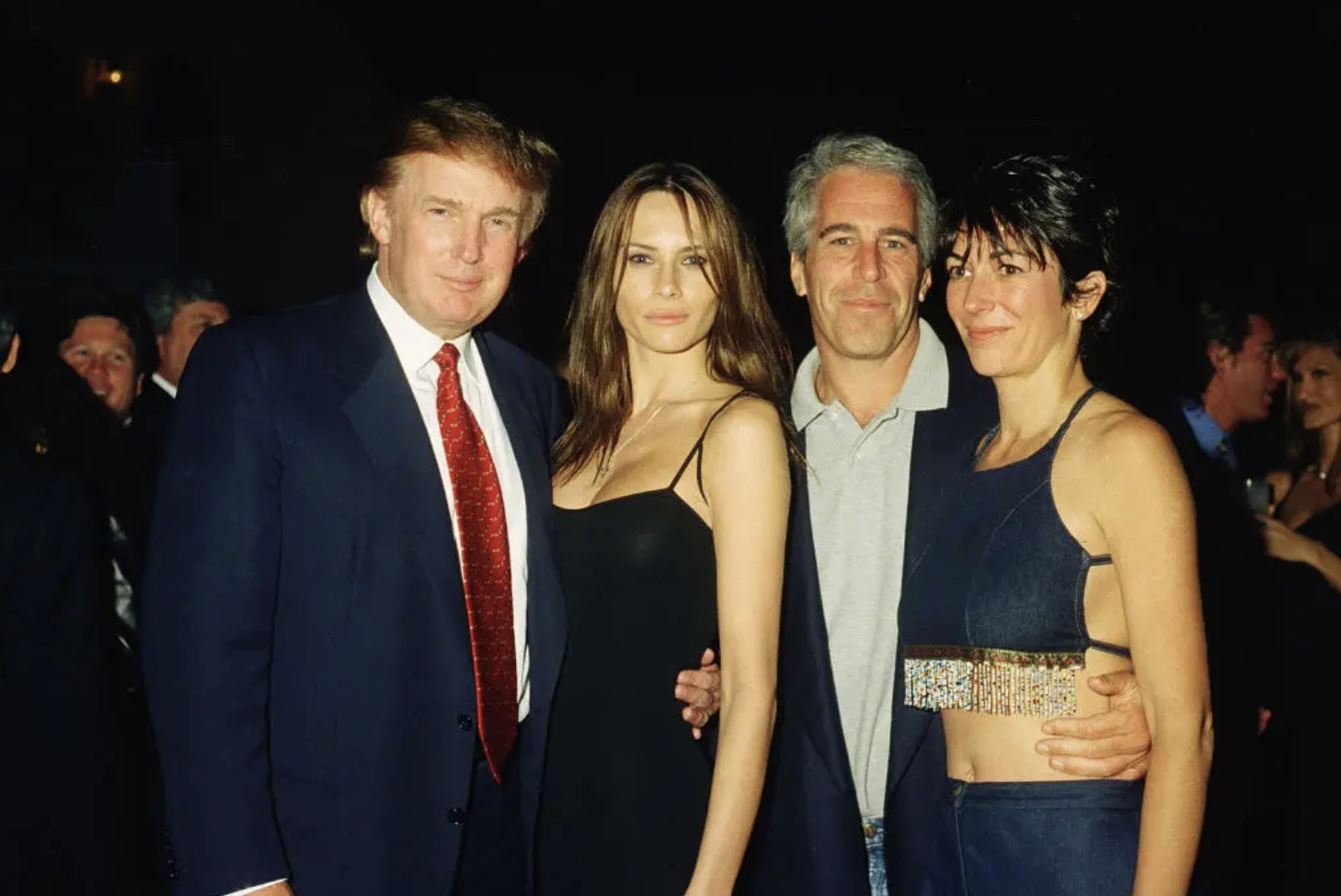 December 24, 2025 (Vol. 19. No. 49) - The year 2025 will not be fondly remembered by many. It was the year that Donald Trump returned to power and immediately began abusing it. Instead of stabilizing what he called a bad economy - one that was actually pretty good - he ruined it through a system of haphazard tariffs and by creating instability in American foreign policy. The man best known for the friends he keeps (see above photo) looted the Treasury for his family's benefit while graciously accepting bribes, er, excuse me, gifts, for foreign leaders. Economic anxiety, political division, environmental strain, and social exhaustion combined to make 2025 feel less like a single bad year and more like a warning.
 Economically, 2025 was difficult for ordinary people. Inflation may have slowed in some regions, but the cost of living remained stubbornly high. Housing, healthcare, and education continued to feel out of reach for millions. Thanks to the Republican Congress, healthcare costs for millions of Americans will skyrocket after the new year because of a stubborn refusal to continue subsidies under the Affordable Care Act a/k/a Obamacare. Wage growth lagged behind expenses, forcing families to rely on credit or deplete savings. Job insecurity persisted as automation and artificial intelligence reshaped industries faster than workers could adapt. Even those who were employed often felt trapped—working harder for less security and fewer prospects for upward mobility. Buying a new home - especially a first home - remained out of reach as housing prices and a housing shortage persisted.
If 2025 seemed bad, 2026 threatens to be even worse—not necessarily because new problems will appear, but because unresolved ones will compound. Economic pressures could intensify as government debt rises and public patience thins. Political polarization may harden further, making compromise even more elusive. Environmental damage, once done, cannot simply be undone, and its impacts tend to accelerate rather than stabilize. Perhaps most troubling is the psychological toll. By the end of 2025, many people were not just struggling; they were tired. Constant crises eroded optimism and resilience. When societies become exhausted, they are more vulnerable to fear-driven decisions, authoritarian impulses, and social breakdown. That emotional fatigue could define 2026 if meaningful change does not occur. The one hope is that there are signs of a growing schism in the MAGA movement. However, that hope is tempered by the knowledge that Democrats seem to have an inexhaustible ability to shoot themselves in the foot.
Yet acknowledging how bad 2025 was is not an act of surrender. It is a recognition that denial no longer serves us. If 2026 is to avoid becoming even worse, it will require deliberate effort, cooperation, and a willingness to confront uncomfortable truths. Without that, the difficulties of 2025 may look, in hindsight, like the calm before a deeper storm and we will have a crappy, not happy, new year. That's it for now. Fear the Turtle.