
Courting With Disaster
24/08/26 22:15
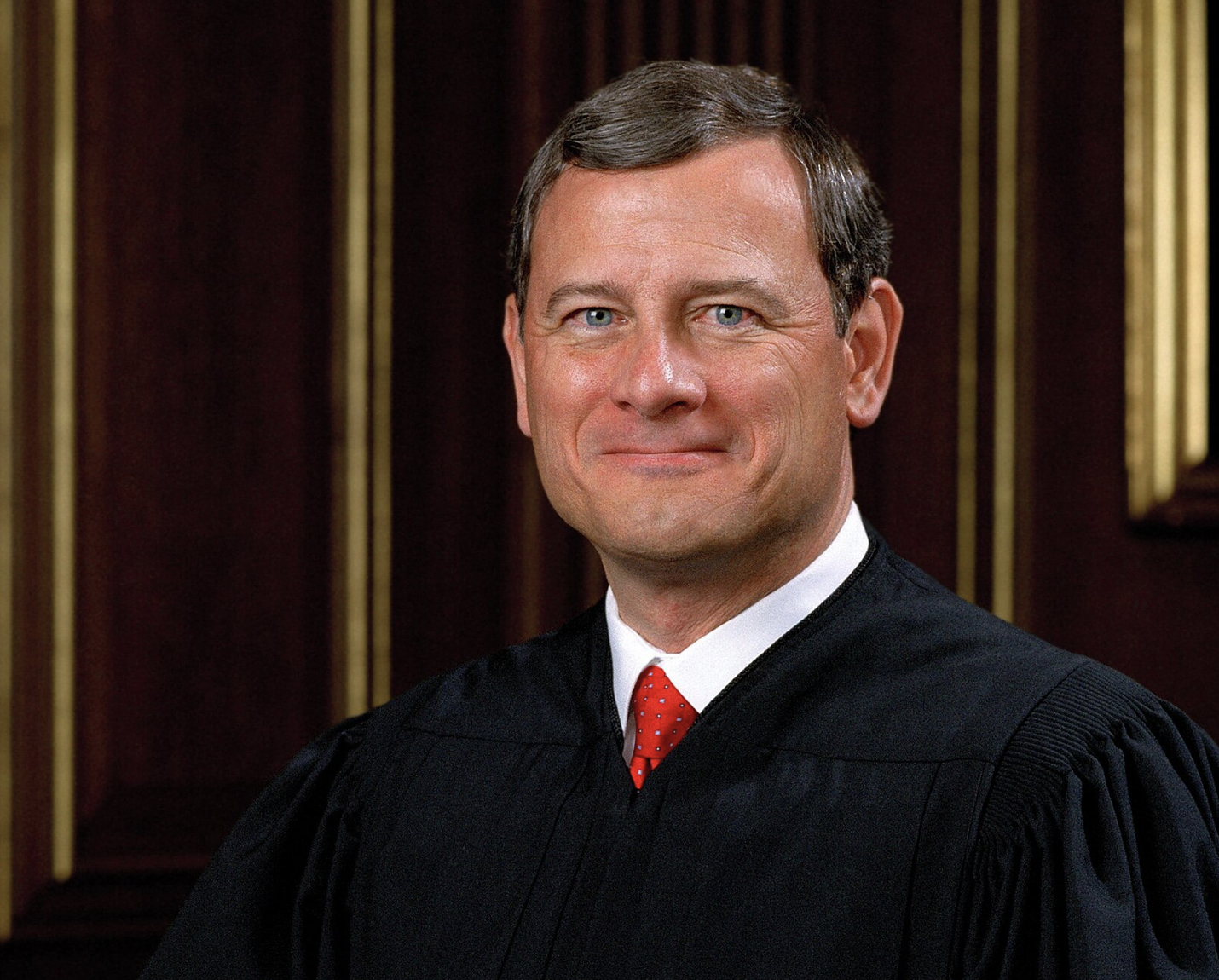 August 24, 2026 (Vol.20 No. 31) - Fifty years from now when the United States celebrates its tricentennial, it is very likely that John Roberts will be remembered as the worst Chief Justice in the history of the United States Supreme Court. In fact, it is more a certainty that Roberts will be reviled in 2076 than it is that there will still be a United States. In the 21 years since President George W. Bush nominated him, Roberts has changed our fundamental understanding of what constitutes fundamental American rights - and not in a good way.
During his tenure, The Roberts Court has issued decisions that have changed the meaning of voting rights, reproductive freedom, affirmative action, campaign finance, labor rights, gun regulation, religious freedom, and presidential accountability. Supporters of these decisions, mostly MAGA Republicans, have argued that the Court has simply returned constitutional interpretation to the text, history, and traditions of the Constitution. However, that is - if I may use a legal term here – bullshit. The Roberts Court has systematically taken away protections that generations of Americans had come to regard as basic rights.
It happened again today, when The Roberts Court ruled that President Donald Trump could begin carrying out parts of an executive order intended to restrict mail voting, The Six Trump Sycophants on the court did so despite the fact that the Constitution clearly says that the administration of elections is the sole domain of the states. Yes, the Court left open the door for additional legal challenges that may slow down the Trump Administration's efforts to suppress voter rights. But it has lent legitimacy to Donald Trump's attempt to bastardize what has been until now the world's fairest and best-run elections. Trump's problem, simply stated, is that the more people who vote in elections, the less likely that his side will prevail. Most Americans hate Donald Trump. And that's the verdict they will deliver at the polls in November - unless, of course, Trump is allowed to rig elections in his favor.
This is not The Roberts Court's first assault on free and fair elections. In Shelby County v. Holder in 2013, the Court struck down key provisions of the Voting Rights Act of 1965. It had been one of the most important civil-rights laws in American history, designed to prevent states and local governments with histories of racial discrimination from changing voting rules without federal approval. Despite the success of the law, Roberts & Company gutted key provisions of the act, rendering it toothless. Three years before that, the Court in Citizens United v. Federal Election Commission gave corporations and wealthy interests disproportionate influence over American elections.
Easily the worst decision made by The Roberts Court, in fact the worst for any Court since Plessy v. Ferguson in the 1890s, has to do with the limits – or lack thereof – to presidential powers. In Trump v. United States in 2024, the Court recognized substantial presidential immunity from criminal prosecution for official presidential acts. In doing so, the Court weakened one of the central principles of American government: no person, including the president, is above the law. Armed with this highly questionable ruling, Trump has spent the entirety of his second term of office engaged in retribution against his critics, blue states that didn't vote for him and even some of the America's best friends, such as Canada. He has imposed reckless and unconstitutional tariffs without required congressional approval and – and here's the big one – usurped the power of Congress by engaging in an illegal and undeclared war with Iran.
That concern goes directly to the Constitution's system of checks and balances. The American experiment was built on the idea that government power must be limited because concentrated power can threaten liberty. If presidents receive broad protection from criminal accountability for official conduct, future presidents may have greater freedom to push constitutional boundaries.
Chief Justice Roberts has frequently described the Court as an institution above partisan politics. Yet, the record suggests otherwise. There is also the question of serious ethical lapses on the Court, such as Justice Clarence Thomas's highly dubious recreational vehicle trips paid for by individuals with issues before the Court, as well as Ginny Thomas's lucrative and conflictive lobbying activities.
If we are to maintain an American democracy that will last into a third century, steps must be taken today to rein in the freedom-grabbing, ethically challenged and increasingly corrupt U.S. Supreme Court. That starts with electing Democrats this fall in numbers that even John Roberts cannot ignore. Otherwise, Roberts & Company will continue to court with disaster by stripping away freedoms we enjoy and celebrate. That's it for now. Fear the Turtle.