November 22, 1963
22/11/25 05:45
 November 22, 2025 (Vol. 19. No. 45) - There are a few days during the course of a lifetime when one retains a vivid memory of events that remain for the rest of one's life. For me, November 22, 1963, was one of those days. That was the day America lost its innocence with the assassination of President John F. Kennedy. I was only 11 at the time, but my recollection of that chilly Friday afternoon are clear and detailed, even 62 years later. As a journalism historian, I have extensively read and lectured about the assassination and how it changed the mass media landscape.
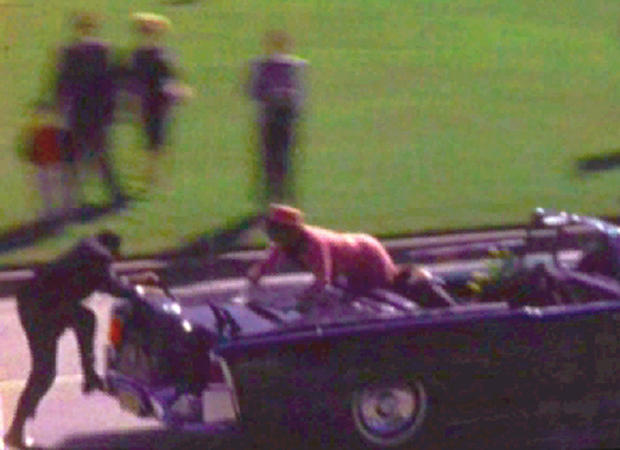
For the first few minutes after JFK was wounded while riding in an open limousine, the shooting was exclusively a local media news story. However, at 12:34 p.m. CST, United Press International transmitted across its teletype network that "three shots were fired at President Kennedy's motorcade today in downtown Dallas." The source was UPI Senior Correspondent Merriman Smith, using a radio telephone riding in a press pool car a couple of cars behind the President. Two minutes later, as President's Kennedy's car was pulling into the emergency room at Parkland Memorial Hospital, Don Gardner of ABC Radio became the first to announce the news to the nation. The news spread like a wildfire. According to the University of Chicago study, 83 percent of U.S. adults knew of the shooting by 1:00 p.m. CST. For the first time, the nation - and the world - shared a simultaneous common experience. The nation's three television networks dropped their scheduled programming and covered the assassination and subsequent events non-stop for the next four days. For the first time, it was television - not newspapers - that America was turning to for the latest information.
It is important to remember the media landscape of 1963. It was not like today, when it is easy to report live from anywhere in the world. Because of 1963's analog technology, reporting live from Dallas immediately following the shooting was as easy as reporting live from the moon. The broadcast networks relied on special telephone transmission lines to get a video feed out of Texas. It is amazing how rapidly they were able to do so. During that first crucial hour, CBS-TV, the first of the major networks to broadcast news of the shooting, relied heavily on a feed from its Dallas affiliate and reports from the two major wire services, UPI and AP.
Watching a breaking news story develop is a lot like watching sausage being made. It can be very messy at first. During the most intense hour in the history of American journalism, mistakes were made. For example, some media outlets reported that Vice President Lyndon B. Johnson had been wounded during the shooting. Those reports had been based on seeing LBJ walk into the hospital holding his arm. There were also the false reports of a Secret Service agent being killed in the line of duty. They soon discovered that it was Dallas Police Officer J.D. Tippett who had been gunned down on a Dallas street while questioning assassin Lee Harvey Oswald. Despite these and other errors, American broadcast media did a remarkable job that weekend bringing the news to a traumatized nation in mourning. Of course, that coverage included the first-ever murder covered on live television, when NBC and Mutual cameras captured images of strip club owner Jack Ruby shooting assassin suspect Oswald at point-blank range during a prisoner transfer. I have long held that Oswald's death was a result of a Dallas Police Department so intent on accommodating crush of the world's media that it forgot its primary responsibility - to protect their prisoner.
Sixty-two years ago today, a horrific event occurred that has forever been burned into the consciousness of those old enough at the time to remember it. Even today, there are still questions of who actually shot the President and whether or not it was the result of some sort of conspiracy. As I have previously stated in this space, I believe that, for the most part, the Warren Commission's conclusion that Oswald acted alone and Ruby acted alone. However, I'll leave that debate for another place and time.
November 22, 1963, is always close to me in memory. One can't help but wonder how history would have change if Lee Oswald had missed his target. But without question, it was a day that altered America's political and media landscape - and me - forever. That's it for now. Fear the Turtle.